
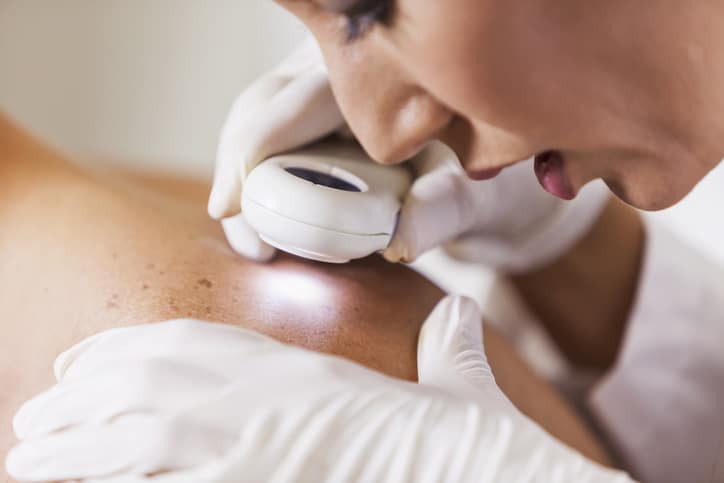
Whether you call it dermatology coding or medical coding for dermatology, the end result is the same. Accurate coding determines how quickly and correctly your dermatology practice gets paid.
Our coders specialize in dermatology coding, ensuring your services are coded correctly so claims move through the billing process efficiently. Working with a dermatology coding consultant and an experienced dermatology coder can significantly reduce denied claims and delays in payment. Using accurate medical coding helps ensure you are paid accurately—and often faster—making a dedicated dermatology coding team a smart business decision. Our team has over 35 years of combined experience in all areas of dermatology billing, ready to power the profitability of your practice through error-free coding services available nationwide.
Why You Need a Dermatology Coding Consult
Dermatology coding is the use of specific codes for specific types of dermatology procedures. We are derm coding consultants offering the highest level of expertise in coding for billing purposes because that’s all we do.
We are dermatology medical coding specialists using up-to-date dermatology coding software, supported by a team of coders with many years of experience. Many members of our team are certified medical coders, bringing an additional level of accuracy and reliability to your billing process.
Medical coders also play a role in collecting and analyzing data related to patient diagnoses, treatments, and outcomes. This data can support practice-level insights, help identify trends, and inform strategic decisions related to operations and patient care.
Why Coding Accuracy Matters in Dermatology
Coding accuracy is critical because it directly affects reimbursement. When codes are applied correctly, claims are paid more efficiently and with fewer complications.
Accurate coding helps eliminate:
Delayed payments
Repeated resubmissions
Unnecessary follow-up work
DCBC stays current with changes to Current Procedural Terminology (CPT) codes, which are used to standardize reporting of medical, surgical, and diagnostic services. CPT codes, developed and maintained by the American Medical Association, are essential for accurate billing, reimbursement, and reporting. Staying up to date with CPT changes is a key part of effective dermatology coding.
How DCBC Supports Your Practice Through Medical Coding
Using DCBC’s medical coding experts reduces the amount of time your in-house staff must dedicate to coding and claim-related tasks. This allows your administrative and clinical teams to focus on patient care, customer service, registration processes, and daily office management.
Improved efficiencies across your practice help save time and reduce administrative strain. By bringing your coding to DCBC’s knowledgeable dermatology coders, practices often experience smoother billing workflows and stronger financial performance.
Your practice can rely on our coding experts not only for claim submission, but also for ongoing claims management support.
We can:
Correct and reprocess rejected claims, including claims denied prior to engaging DCBC
Support posting of insurance payments
Assist with accounts receivable and collections as part of our dermatology billing services
FAQs
How Does Dermatology Coding Differ From General Medical Coding?
 Dermatology coding differs from general medical coding because it involves highly specific procedures, terminology, and documentation requirements related to skin conditions. Dermatology services often include lesion removals, biopsies, pathology interpretation, and cosmetic procedures that require precise code selection. Coders must determine factors such as lesion size, anatomical location, and whether the condition is benign or malignant.
Many dermatology procedures also require modifiers when multiple services are performed during the same visit. Because dermatology includes both medical and cosmetic services, coders must also understand how insurance coverage rules apply to each type of treatment.
What Types of Dermatology Procedures Require Specialized Medical Coding?
Many dermatology procedures require specialized medical coding because they involve unique diagnostic and treatment services specific to skin conditions. These procedures include skin biopsies, excisions of benign or malignant lesions, Mohs micrographic surgery, cryotherapy, laser treatments, and phototherapy. Coding must also account for complex procedures such as skin grafts, lesion destruction, and cosmetic treatments when applicable.
What Are the Most Common Dermatology Coding Errors That Lead To Claim Denials?
Common dermatology coding errors include using incorrect CPT codes, missing or incorrect modifiers, and insufficient documentation to support the services billed.
- Errors often occur when lesion size, number of lesions, or anatomical location are not properly documented, leading to inaccurate coding.
- Another frequent issue involves failing to link the appropriate ICD-10 diagnosis code with the procedure performed.
- Coding cosmetic procedures as medically necessary can also result in claim denials.
- In some cases, claims are rejected because multiple procedures performed during the same visit are not coded in accordance with payer guidelines.
Careful documentation review helps reduce these types of errors.
How Often Do Dermatology CPT and ICD-10 Codes Change?
 Dermatology CPT and ICD-10 codes are updated regularly to reflect new procedures, revised medical terminology, and evolving healthcare standards.
CPT codes are typically updated annually by the American Medical Association, with changes taking effect at the beginning of each year. ICD-10 codes are updated by the Centers for Medicare & Medicaid Services and the World Health Organization, often with annual revisions.
These updates may introduce new codes, modify existing ones, or retire outdated codes. Dermatology practices and coding professionals must stay current with these updates to maintain compliance, submit accurate claims, and avoid reimbursement delays.
Can Incorrect Dermatology Coding Trigger an Insurance Audit?
Yes, incorrect dermatology coding can trigger an insurance audit, particularly if billing patterns appear inconsistent with payer guidelines. Frequent coding errors, unusually high billing for certain procedures, or repeated use of specific modifiers may raise red flags for insurance companies.
Audits are conducted to confirm that services billed were medically necessary and properly documented. If discrepancies are identified, practices may be required to provide detailed medical records to support their claims.
In some cases, inaccurate coding may lead to repayment requests or penalties. Maintaining accurate documentation and using experienced dermatology coders helps reduce the risk of audits.
How Do Dermatology Coders Handle Procedures Performed During the Same Visit?
When multiple dermatology procedures are performed during the same visit, coders must follow specific guidelines to accurately report each service. This often involves selecting the appropriate CPT codes and applying modifiers that indicate separate procedures or distinct treatment sites.
Coders also carefully review documentation to confirm the medical necessity of each service performed. Some procedures may be bundled together under payer rules, while others may be billed separately when proper modifiers are used.
Accurate coding for multiple services helps prevent claim denials and supports appropriate reimbursement for the care provided during a single patient visit.
Why Choose DCBC for Dermatology Medical Coding?
Derm Care Billing Consultants focuses exclusively on dermatology medical billing and coding. Our team understands dermatology procedures, payer expectations, and coding requirements at a specialty level.
By working with DCBC, your practice benefits from:
Dermatology-focused coding expertise
Certified and experienced medical coders
Ongoing coding accuracy and oversight
Integration with claims management, accounts receivable, and collections
We handle dermatology coding so your team can focus on patient care and practice operations—with confidence that coding accuracy is being managed by specialists.
Contact DCBC for Expert Dermatology Medical Coders
Derm Care Billing Consultants will handle all the issues in your practice that are related to dermatology coding. We. Know. Codes!
Contact us today at (646) 630-8588 to take the responsibility of accurate coding off your team’s plate and allow your staff to focus on patient care while improving efficiency across your practice.
Click here for up-to-date 2023 Medical CPT Codes